
Breast Augmentation implants are designed to be durable, but they are not considered lifetime devices. How long an implant remains suitable can vary considerably depending on its type, condition, the patient’s anatomy, and individual circumstances. Some implants may remain in place for many years without requiring replacement, while others may eventually need revision because of rupture, shifting, capsular contracture, changes in breast tissue, or personal preferences. Instead of assuming an implant must be replaced at a specific year, patients should maintain appropriate follow-up and discuss long-term monitoring with their surgeon.
What Affects Implant Longevity?
Implant Type and Materials
The type of implant used during Breast Augmentation can influence its long-term characteristics. Saline implants contain sterile saltwater, while silicone gel implants contain cohesive silicone material. Both types are manufactured for long-term use and undergo testing for durability. However, no implant can be guaranteed to last indefinitely. Over time, normal aging, physical changes, and unexpected complications can affect an implant or the surrounding breast tissue. During a consultation, a qualified surgeon can explain differences between implant options and discuss considerations that may influence maintenance, monitoring, and potential future procedures.
Why Implants May Need Replacement
An implant does not automatically need to be removed simply because it has been in place for a certain number of years. Replacement or revision may become appropriate if a complication develops or if the patient wants to change the implant size or style. Potential reasons include rupture, leakage, capsular contracture, implant displacement, significant changes in breast appearance, or dissatisfaction with an existing result. Pregnancy, breastfeeding, weight fluctuations, and aging can also alter breast tissue independently of the implant. Regular communication with a qualified surgeon helps determine when further treatment may be appropriate.
Monitoring Your Implants
Long-term monitoring is an important part of living with Breast Augmentation implants. Patients should pay attention to changes in breast shape, firmness, symmetry, sensation, or appearance and report unusual findings to their healthcare provider. Imaging may be recommended for certain implant types or circumstances, particularly when evaluating the condition of silicone gel implants. Patients should follow current guidance from their surgeon and healthcare professionals regarding appropriate screening. Keeping records of implant details can also be useful if future medical evaluation or revision becomes necessary, especially when treatment occurs many years after the original surgery.
How Aging Can Change Results
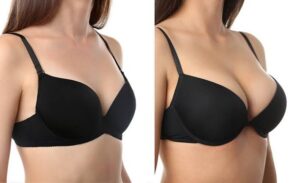
Even when an implant remains intact, the breasts can change naturally over time. Skin elasticity may decrease with age, while pregnancy, weight changes, hormonal shifts, and other life events can influence breast volume and shape. These changes may affect the appearance of augmented breasts without indicating an implant problem. Some patients may eventually consider revision surgery to address changes in their natural tissue or to update their aesthetic goals. Understanding that implants and surrounding breast tissue age differently can help patients develop realistic expectations about long-term results and future care.
Long-Term Care in Bluffton, SC
Patients considering breast enhancement in Bluffton, SC, can benefit from choosing a surgical practice that provides guidance beyond the initial procedure. Sculpt Cosmetic Surgery offers personalized consultations to help patients understand implant selection, expected results, recovery, and long-term considerations. The appropriate implant depends on individual anatomy, lifestyle, and aesthetic preferences rather than a universal formula. Patients can visit sculpt-cosmeticsurgery.com for additional information about available services and consultation options. Ongoing communication with the surgical team can help patients recognize changes and make informed decisions about future care.
When Should You Consider Revision?
There is no universal expiration date that determines when Breast Augmentation implants must be replaced. Instead, revision is generally considered when a medical issue, noticeable change, or personal preference makes additional treatment appropriate. Patients should schedule an evaluation if they experience persistent pain, significant firmness, sudden changes in size or shape, or other unexpected symptoms. A surgeon can assess the implants and surrounding tissues and recommend appropriate next steps. With informed monitoring and professional follow-up, many patients can enjoy their results for years while remaining prepared for potential changes over time.
